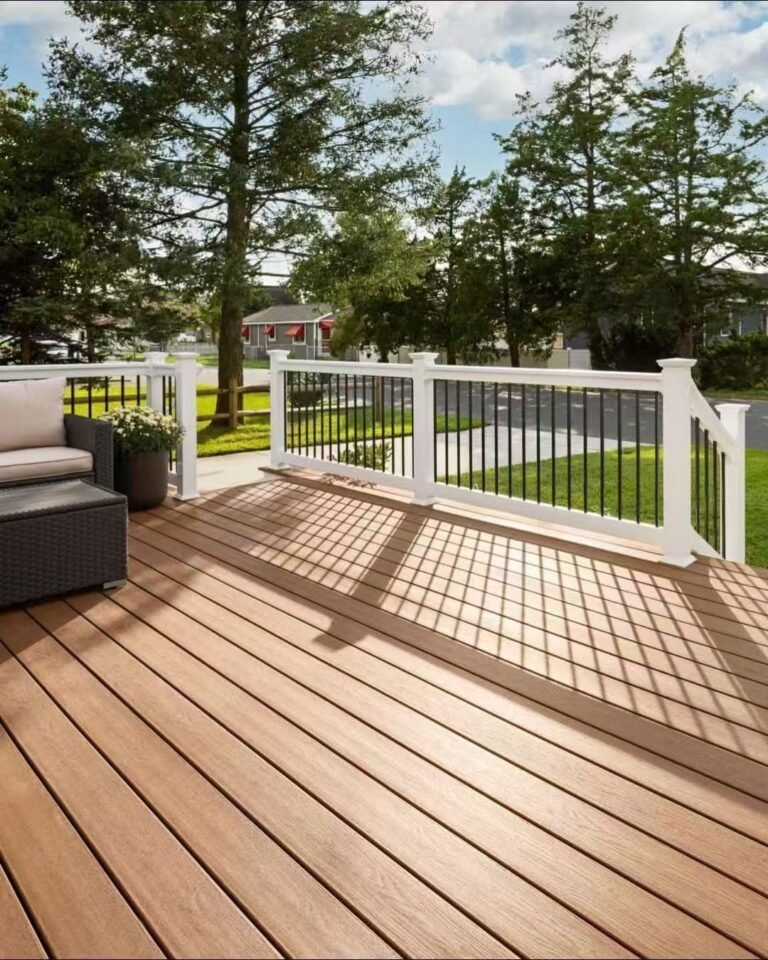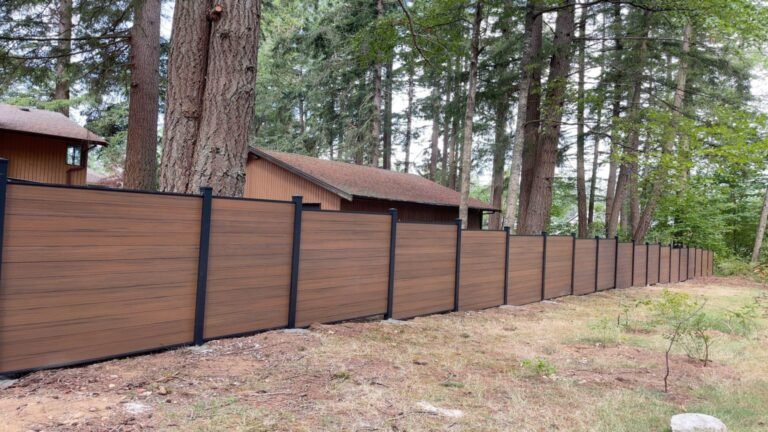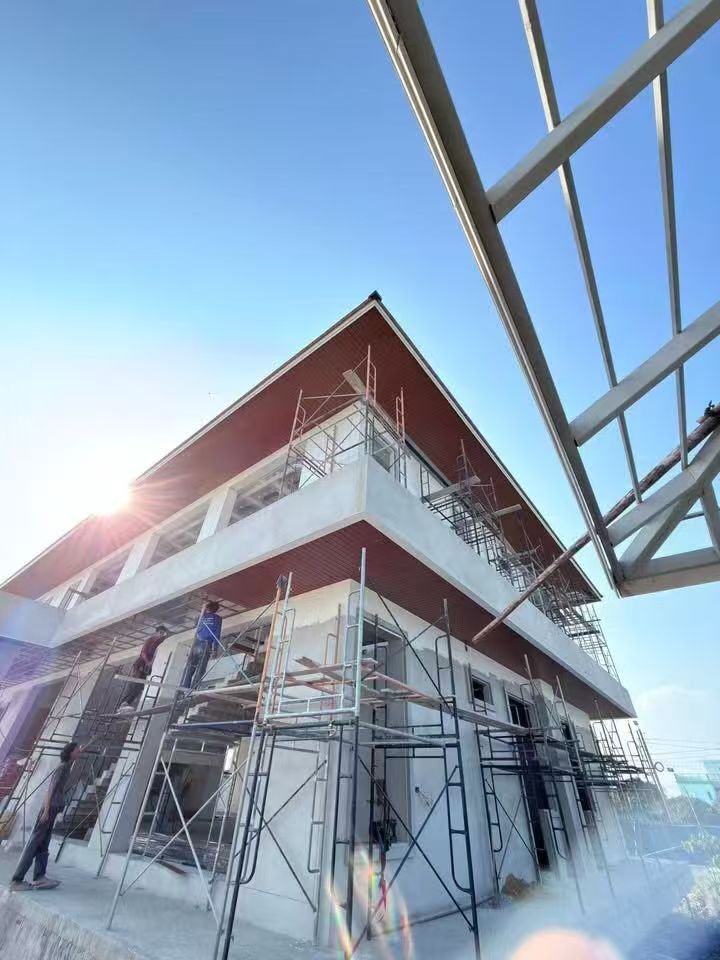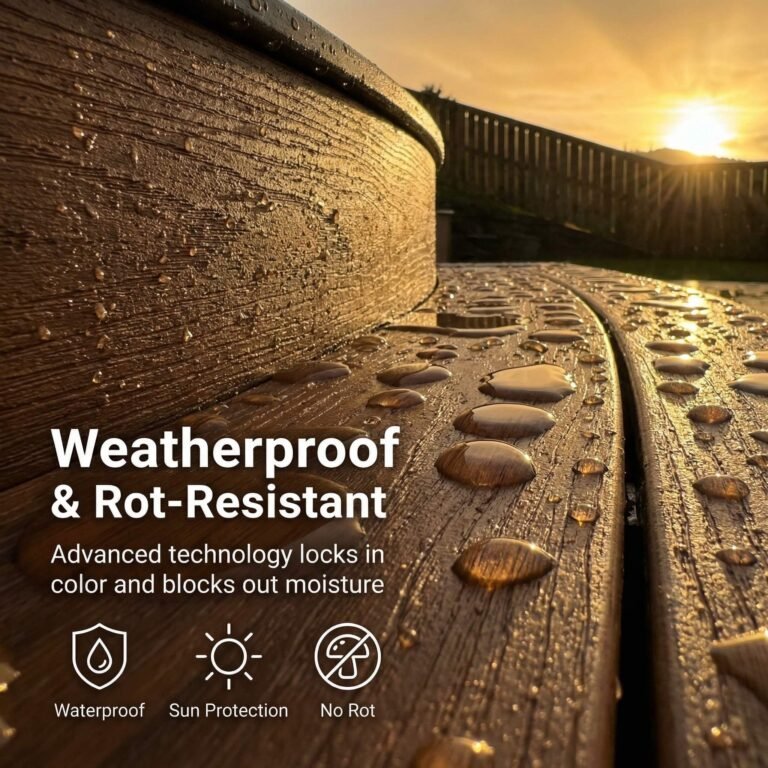

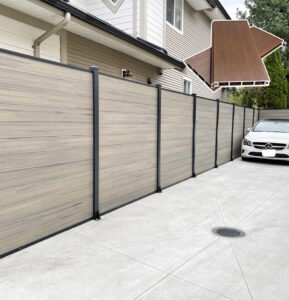
When it comes to choosing an outdoor fence, homeowners, landscapers, and property managers face a common dilemma: balancing durability, aesthetics, and low maintenance. Traditional wooden fences rot, warp, and attract termites; metal fences rust and require frequent repainting; and concrete fences lack warmth and flexibility. Enter wood plastic composite (WPC) fences—a revolutionary solution that combines the natural beauty of wood with the rugged resilience of plastic. In this comprehensive guide, we’ll break down why WPC fences are becoming the top choice for outdoor spaces, how they outperform traditional materials, and what to consider when selecting the perfect WPC fence for your project.
What Is a WPC Fence?
A wood plastic composite fence is made from a blend of natural wood fibers (such as recycled wood powder, sawdust, or plant fibers like rice husks) and thermoplastic polymers (typically polyethylene, polypropylene, or PVC), along with additives to enhance durability, UV resistance, and color re
tention. The materials are mixed uniformly and extruded or compression-molded into fence panels, posts, and rails through high-temperature and high-pressure processes—creating a dense, non-porous structure that eliminates the flaws of traditional materials. Unlike solid wood, WPC contains no harmful chemicals like formaldehyde, making it an eco-friendly choice that aligns with modern sustainability goals.
Why Choose WPC Fence Over Traditional Fencing Materials?
WPC fences offer a unique set of advantages that address the pain points of wooden, metal, and concrete fencing. Here’s how they stack up:
1. Unmatched Durability & Longevity
Traditional wooden fences typically last 5–8 years before showing signs of rot, warping, or termite damage—especially in humid, rainy, or coastal climates. WPC fences, by contrast, are resistant to water, moisture, termites, fungi, and mold. Their non-porous structure prevents water absorption, so they won’t swell, crack, or deform even in heavy rain, snow, or saltwater environments (ideal for coastal properties). With proper installation, WPC fences can last 15–25 years, reducing the need for frequent replacements and long-term costs. Major projects like the Beijing Olympic Bird’s Nest and the Forbidden City have used WPC materials, showcasing their reliability in high-traffic, high-exposure settings.
2. Low Maintenance (A Lazy Gardener’s Dream)
One of the biggest perks of WPC fencing is its minimal maintenance requirements. Wooden fences need annual sanding, staining, or painting to protect against the elements; metal fences require rust removal and repainting; and concrete fences can crack and need patching. WPC fences, however, require no painting, staining, or sealing—just an occasional rinse with water to remove dirt and debris. They’re also resistant to scratches and dents, so you won’t have to worry about repairing damage from pets, kids, or garden tools. This saves you time, money, and effort over the fence’s lifespan.
3. Eco-Friendly & Sustainable
Sustainability is a top priority for many property owners, and WPC fences deliver. Most WPC products use recycled wood fibers and plastic—reducing waste sent to landfills and decreasing the demand for virgin wood (which helps preserve forests). Additionally, WPC is 100% recyclable at the end of its lifespan, creating a closed-loop system that minimizes environmental impact. Unlike treated wood, WPC doesn’t leach harmful chemicals into the soil or water, making it safe for gardens, pets, and children. The global WPC guardrail market is growing rapidly, with a CAGR of 6.7% from 2024 to 2031, driven by increasing demand for eco-friendly building materials.
4. Versatile Aesthetics & Customization
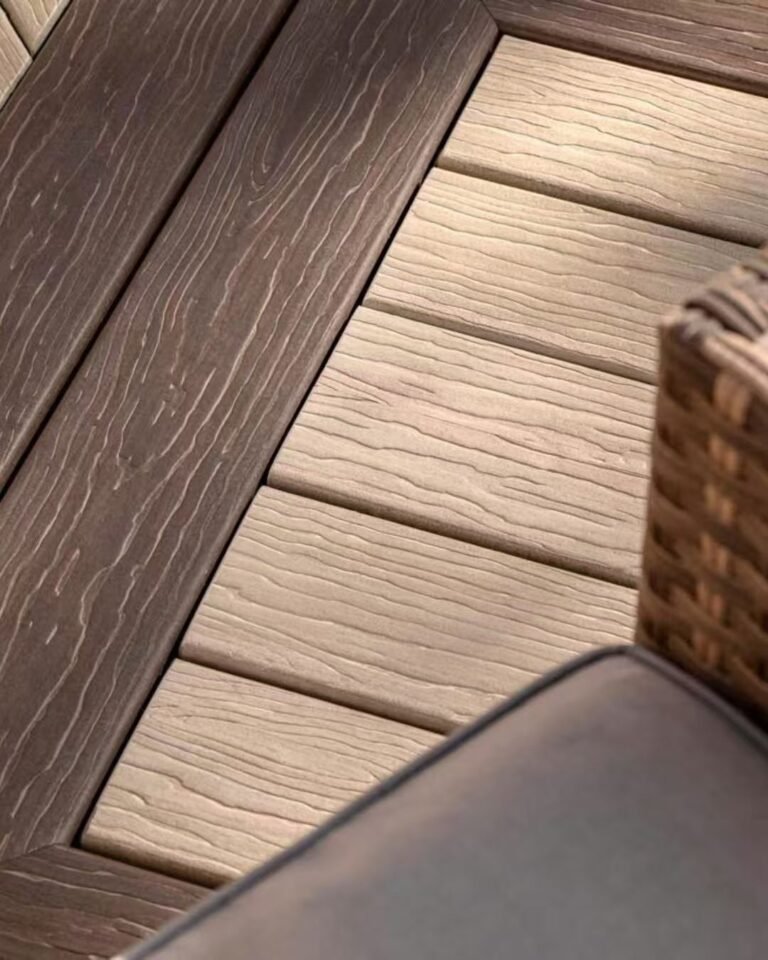
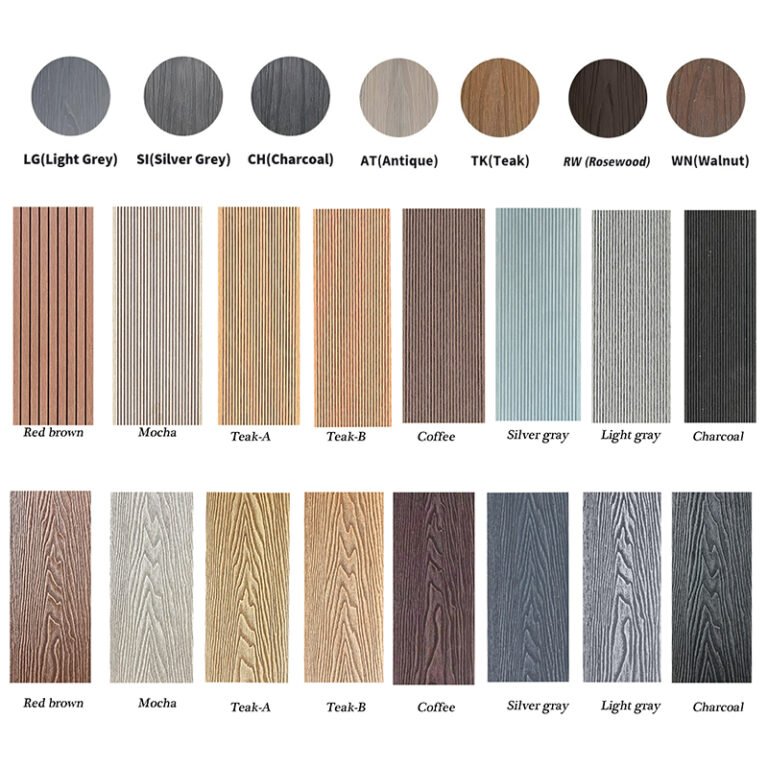
WPC fences mimic the natural grain and texture of wood—available in a range of wood tones (oak, cedar, teak, walnut) and even bold colors to match any outdoor design scheme. Unlike solid wood, WPC color runs through the entire material (not just a surface coat), so scratches or dents won’t reveal a different color underneath. For those seeking more style flexibility, WPC fences come in multiple designs, including:
-
Full Closed-Type: Perfect for privacy in临街 yards, pool areas, or bedroom windows—blocks views, noise, and dust while maintaining a modern look with deep wood grain and black aluminum posts.
-
Semi-Closed Type: Balances privacy and airflow for patios, courtyards, or balconies—lower half closed, upper half with horizontal slats to let sunlight and wind pass through.
-
Full Partition Type: Ideal for dividing garden functional areas (vegetable patches, pet zones, play areas)—lighter than brick walls and adds a warm, natural touch to outdoor spaces.
-
Carved Panel Type: A decorative option for gateways, flower walls, or boutique hotels—features custom hollow carvings (Chinese patterns, European scrollwork, geometric designs) that create stunning light and shadow effects at dusk.
Most manufacturers offer custom sizes, slat spacing, and even carved designs (like pet silhouettes or initials) to fit your unique needs.
5. Easy Installation
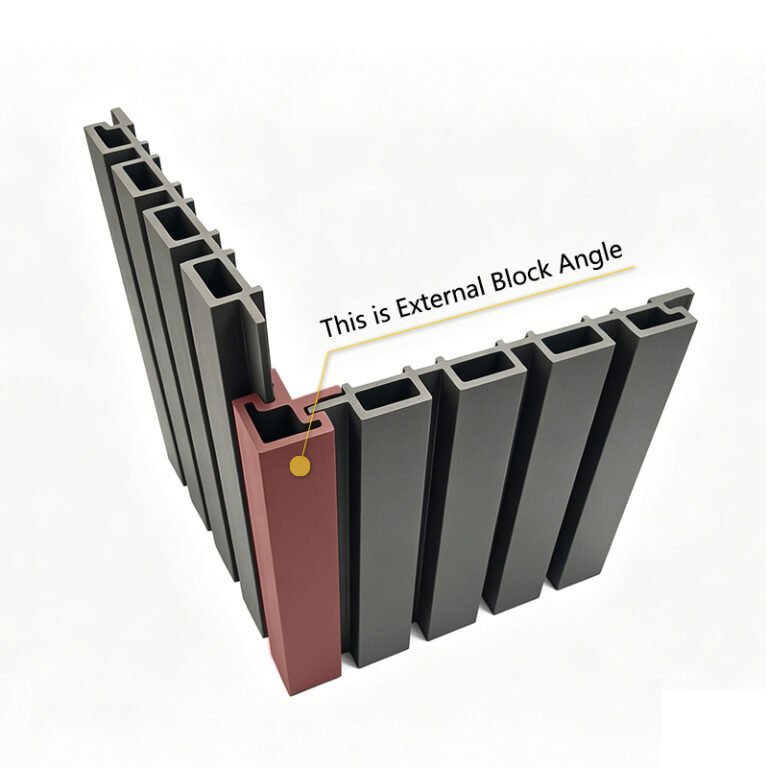
WPC fences feature a modular design, with pre-cut panels and posts that fit together seamlessly. They’re lightweight (easier to transport and handle than concrete or metal) and can be installed using basic tools—no specialized skills required. Whether you’re a DIY enthusiast or hiring a professional, installation is faster than traditional fencing, reducing labor costs and project timelines. Some designs use snap-fit connections, allowing for full installation in just one day.
Best Applications for WPC Fences
WPC’s versatility makes it suitable for a wide range of outdoor spaces, from residential yards to commercial properties. Here are the most common uses:
-
Residential Yards: Define property boundaries, enhance privacy, or divide garden areas—adds curb appeal without sacrificing durability.
-
Commercial Spaces: Perfect for hotels, resorts, parks, and office campuses—low maintenance and aesthetically pleasing, with designs that complement any architecture.
-
Coastal & Humid Climates: Resistant to saltwater corrosion and moisture damage—ideal for beach houses, lakefront properties, or southern regions with high humidity.
-
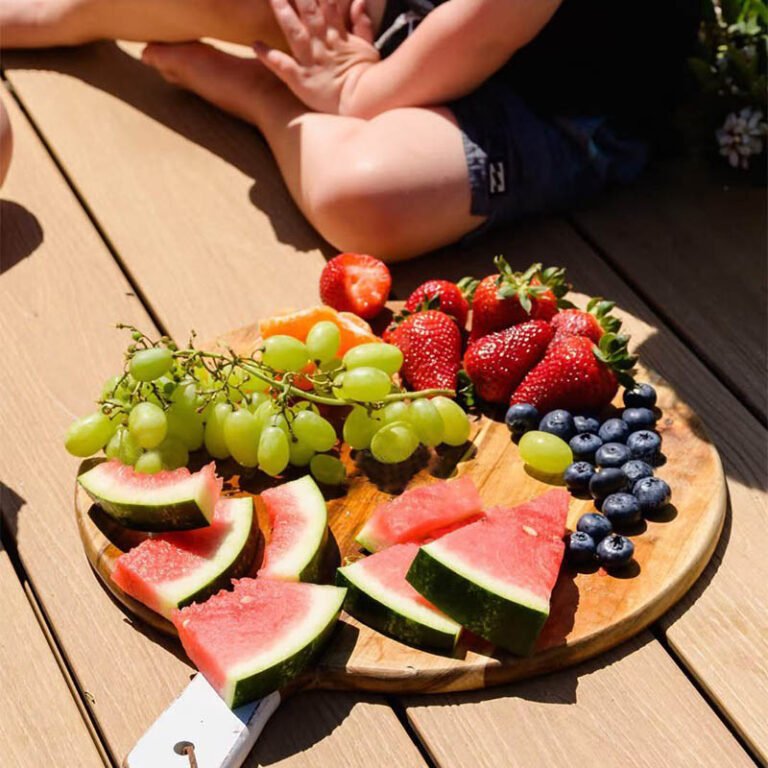
Pool & Play Areas: Safe, non-toxic, and slip-resistant—prevents water damage and creates a secure boundary for kids and pets.
-
Garden & Landscape Design: Pair with flower boxes, trellises, or string lights to create a cozy, inviting outdoor space—adds texture and depth to gardens without requiring constant upkeep.
How to Choose the Right WPC Fence: Key Factors to Consider
Not all WPC fences are created equal—here’s what to look for to ensure you get a high-quality product that meets your needs:
1. Material Quality
Check the ratio of wood fibers to plastic: a higher plastic content (ideally ≥60% PE) improves durability and water resistance. Avoid low-quality WPC with excessive wood fibers, as it may be prone to swelling. Also, look for additives like UV stabilizers (prevents fading in direct sunlight) and anti-oxidants (extends lifespan).
2. Thickness & Strength
Thicker fence panels and posts offer better stability—aim for panels at least 12mm thick and posts with a solid core. Thicker materials are more resistant to wind, impact, and warping, especially in exposed areas