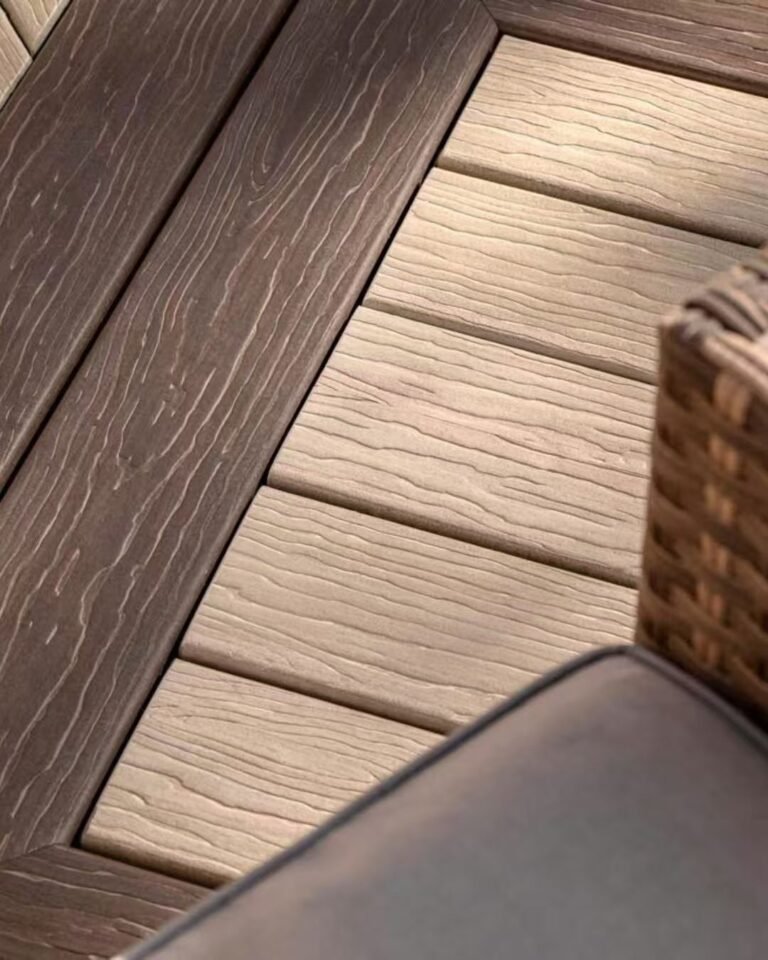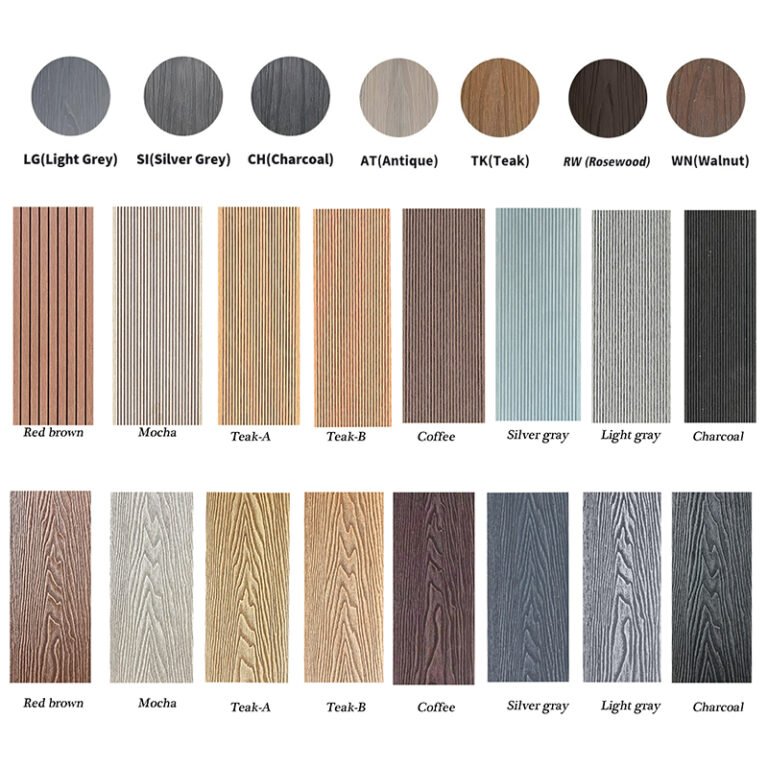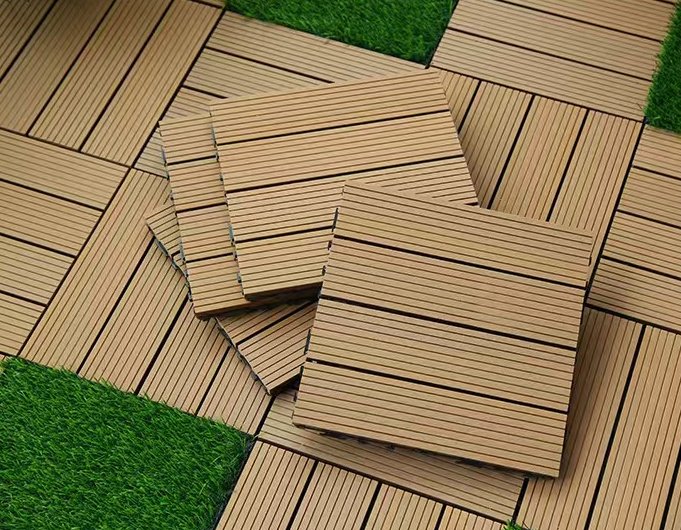

WPC decking has become a top choice for outdoor patio, garden, and backyard flooring projects worldwide, thanks to its eco-friendly properties, weather resistance, and low-maintenance advantages. However, many users encounter common installation and usage problems with outdoor WPC decking, including board warping, buckling, arching, and cracking. These defective issues are mostly triggered by thermal expansion and contraction of WPC decking boards caused by drastic temperature changes. To help you maximize the service life and maintain the flat, flawless appearance of outdoor WPC decking, we summarize the core causes of thermal extrusion problems and targeted practical solutions below.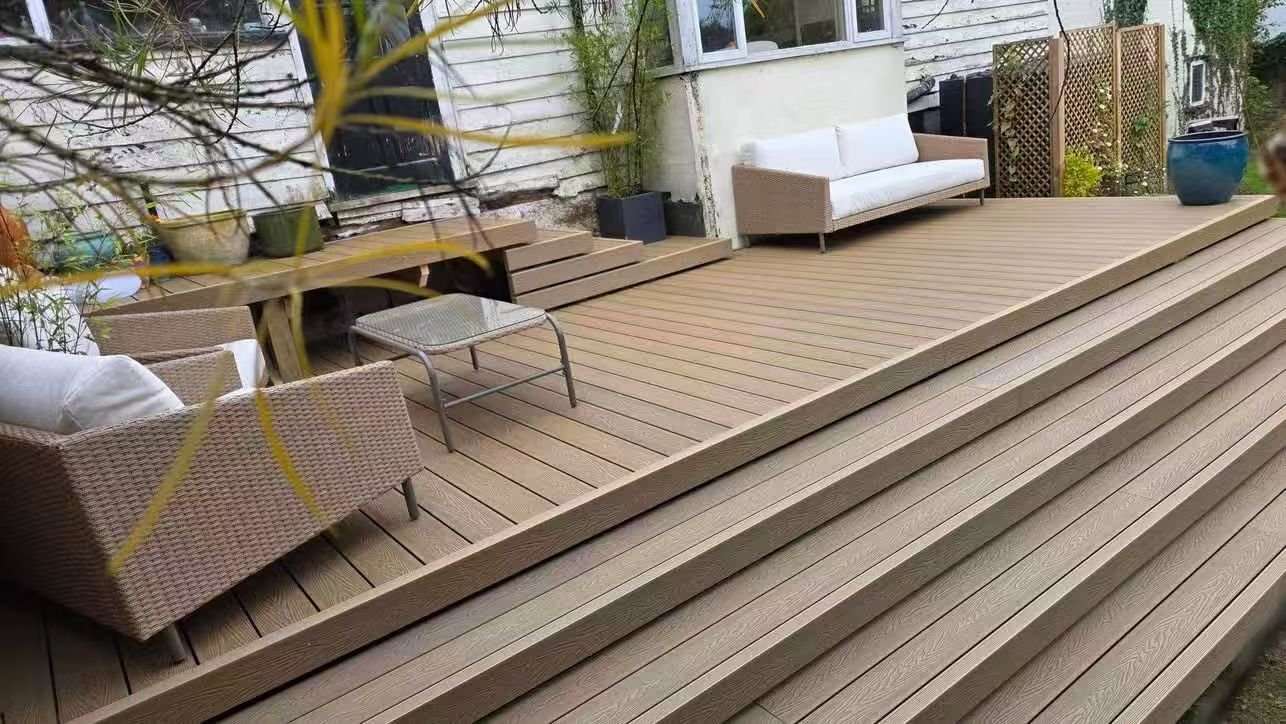
- Large Local Temperature Difference & Insufficient Expansion Gaps
Problem Cause: Most WPC decking extrusion deformation occurs due to unreasonable gap reservation during installation. In regions with huge day-night and seasonal temperature differences, if workers install WPC decking in low-temperature weather without reserving standard expansion gaps, the boards will have no room to expand when the temperature rises in hot seasons. This leads to severe thermal extrusion, resulting in board arching, warping, and edge squeezing damage.
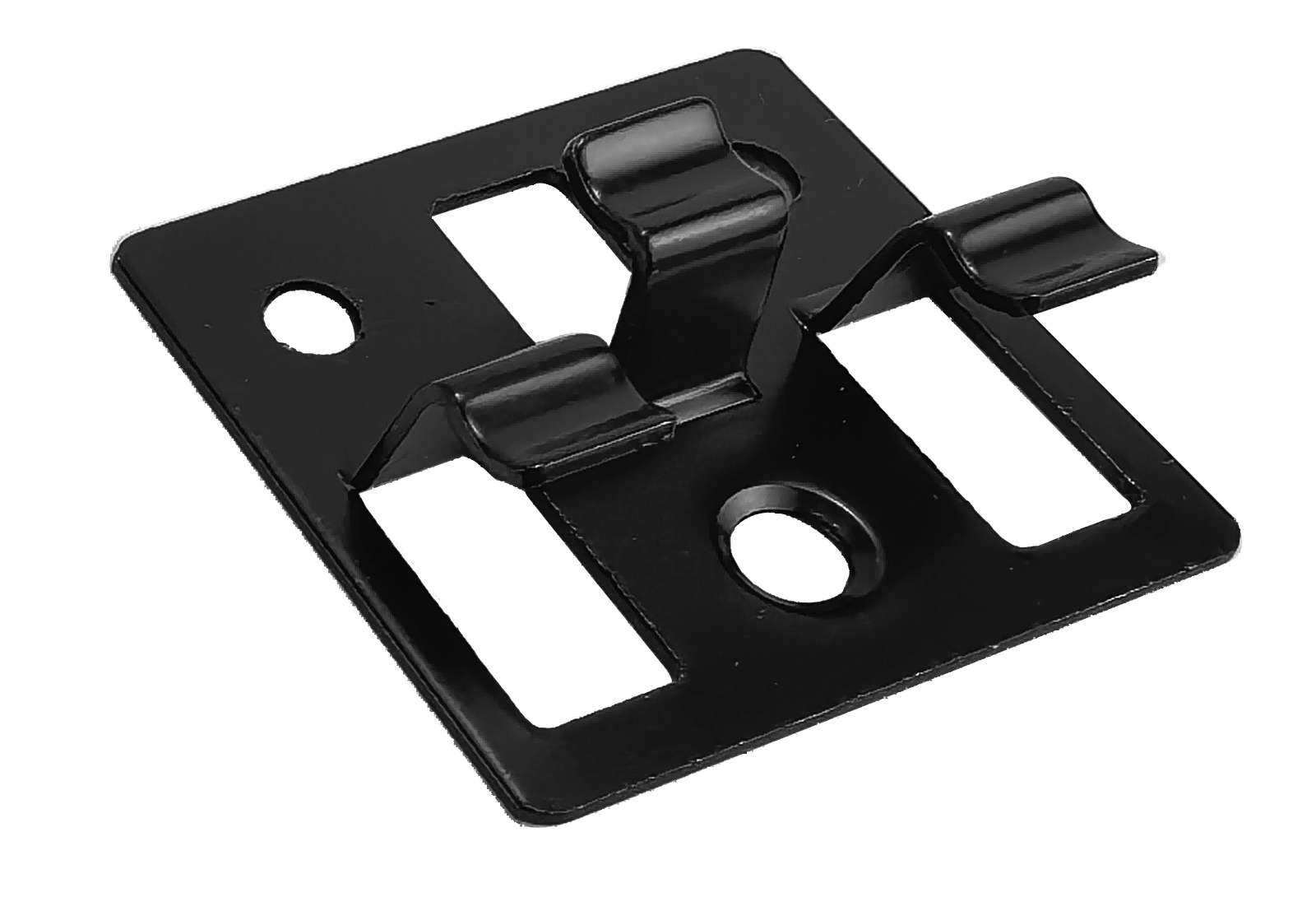
Professional Solution: Adjust the reserved gaps strictly according to the local real-time temperature during WPC decking installation to adapt to thermal expansion rules. For low-temperature installation environments, reserve a standard gap of 4-5mm between WPC decking boards; for high-temperature installation scenarios, control the gap at about 2mm. Meanwhile, avoid locking the board clips tightly during installation. Push the boards into the clips in a natural and loose state, and prioritize installing elastic flexible clips. These elastic accessories effectively buffer thermal expansion pressure and prevent extrusion deformation of WPC decking in changing temperatures.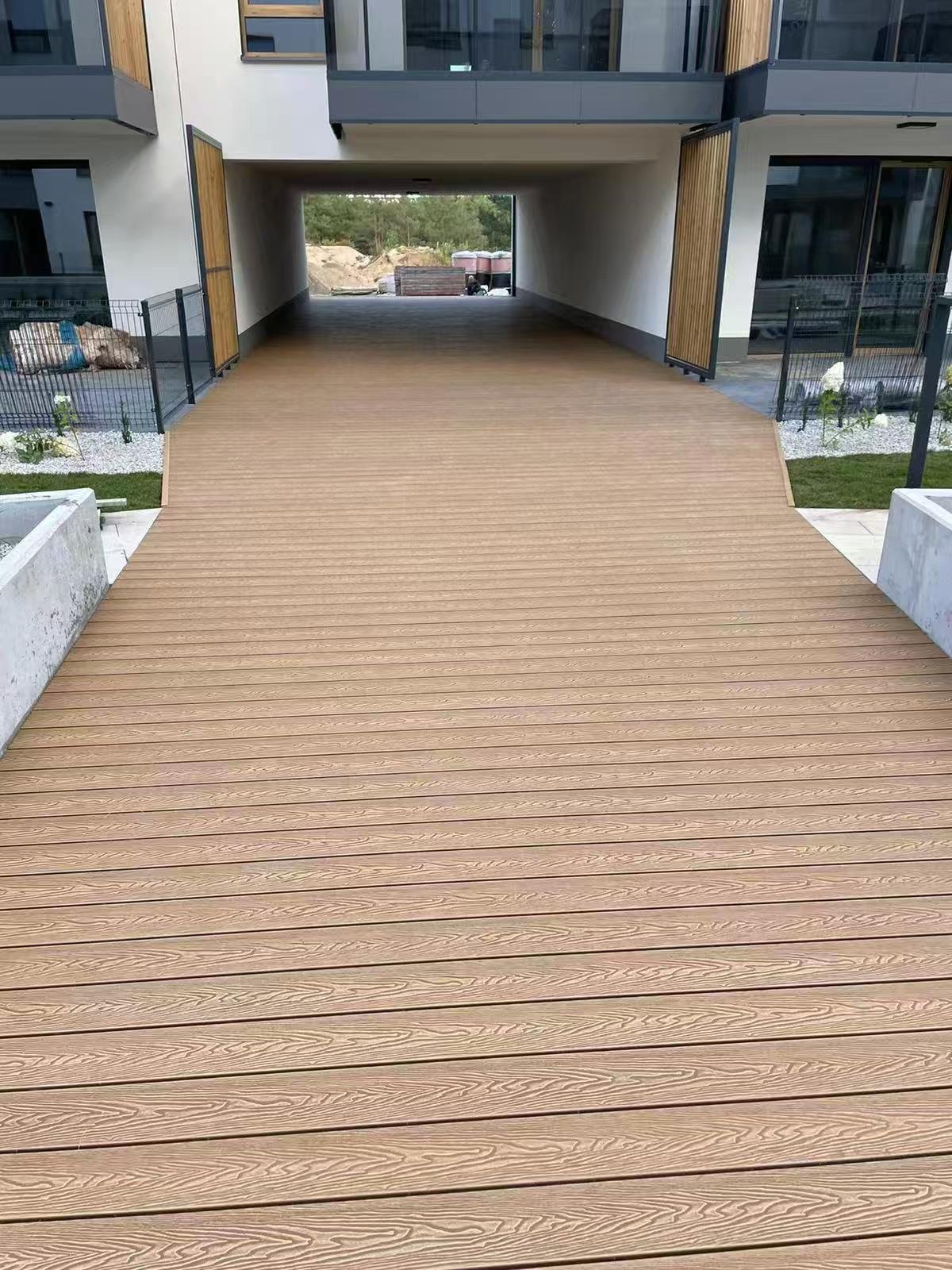
- Unreasonable Board Hole Structure Causes Cracking & Buckling
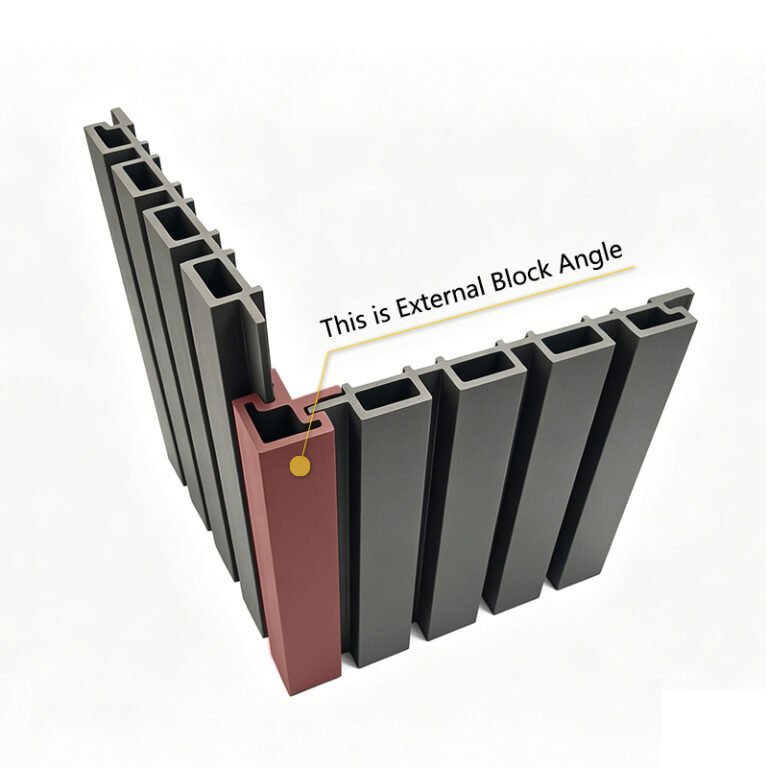
Problem Cause: The internal hole design of WPC decking boards directly determines their thermal stability. Traditional square-hole and round-hole WPC decking products feature thin wall thicknesses. Such hollow structures have poor pressure resistance and weak thermal stability. When exposed to high temperatures, the boards are prone to uneven thermal expansion, leading to local stress concentration, which further causes surface cracking, board arching and permanent deformation.
Professional Solution: To avoid structural thermal damage fundamentally, replace thin-walled hollow WPC decking with solid WPC decking. Solid WPC decking boasts integrated and thickened board structure, uniform stress distribution, excellent thermal stability and compression resistance. It can effectively resist thermal expansion pressure under high temperature and adapt to long-term outdoor weather exposure, delivering higher durability and stability than ordinary hollow WPC decking.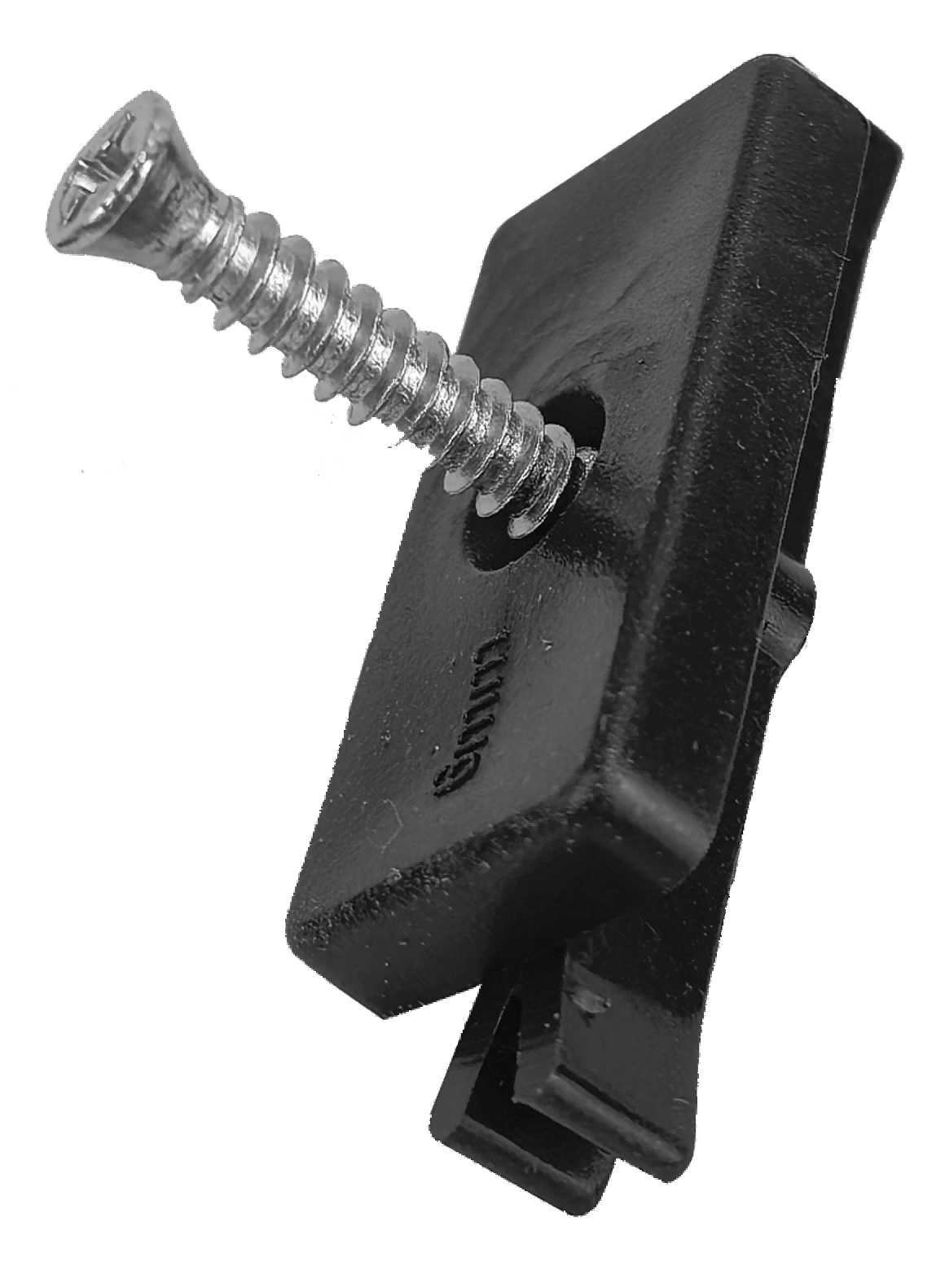
- Inferior Raw Materials Lead to Excessive Thermal Expansion
Problem Cause: The raw material formula is the core factor affecting the thermal expansion performance of WPC decking. Many low-cost inferior WPC decking products adopt recycled low-quality PE materials with impure composition and unstable molecular structure. Such materials have extremely large thermal expansion and contraction coefficients, meaning the boards expand drastically in heat and shrink sharply in cold weather. Frequent repeated deformation will eventually cause board cracking, loose splicing and overall damage to the WPC decking pavement.
Professional Solution: Prioritize high-quality standard WPC decking products made of high-purity PE raw materials and optimized wood-plastic composite formulas. Premium WPC decking features a controlled thermal expansion coefficient, stable physical properties, and strong adaptability to temperature changes. It can maintain flat and intact pavement status all year round, avoiding various thermal expansion failures caused by inferior raw materials, and greatly extending the overall service life of outdoor WPC decking.
Final Thoughts
Thermal expansion and contraction are unavoidable physical characteristics of WPC decking, but all related extrusion deformation, arching and cracking problems can be completely solved through standardized installation, reasonable product selection and high-quality material matching. Choosing stable solid WPC decking, reserving temperature-adaptive splicing gaps, and using flexible installation accessories are the three key tips to maintain long-term stable performance of outdoor WPC decking. Follow these professional solutions to keep your WPC decking flat, beautiful and durable throughout all seasons.